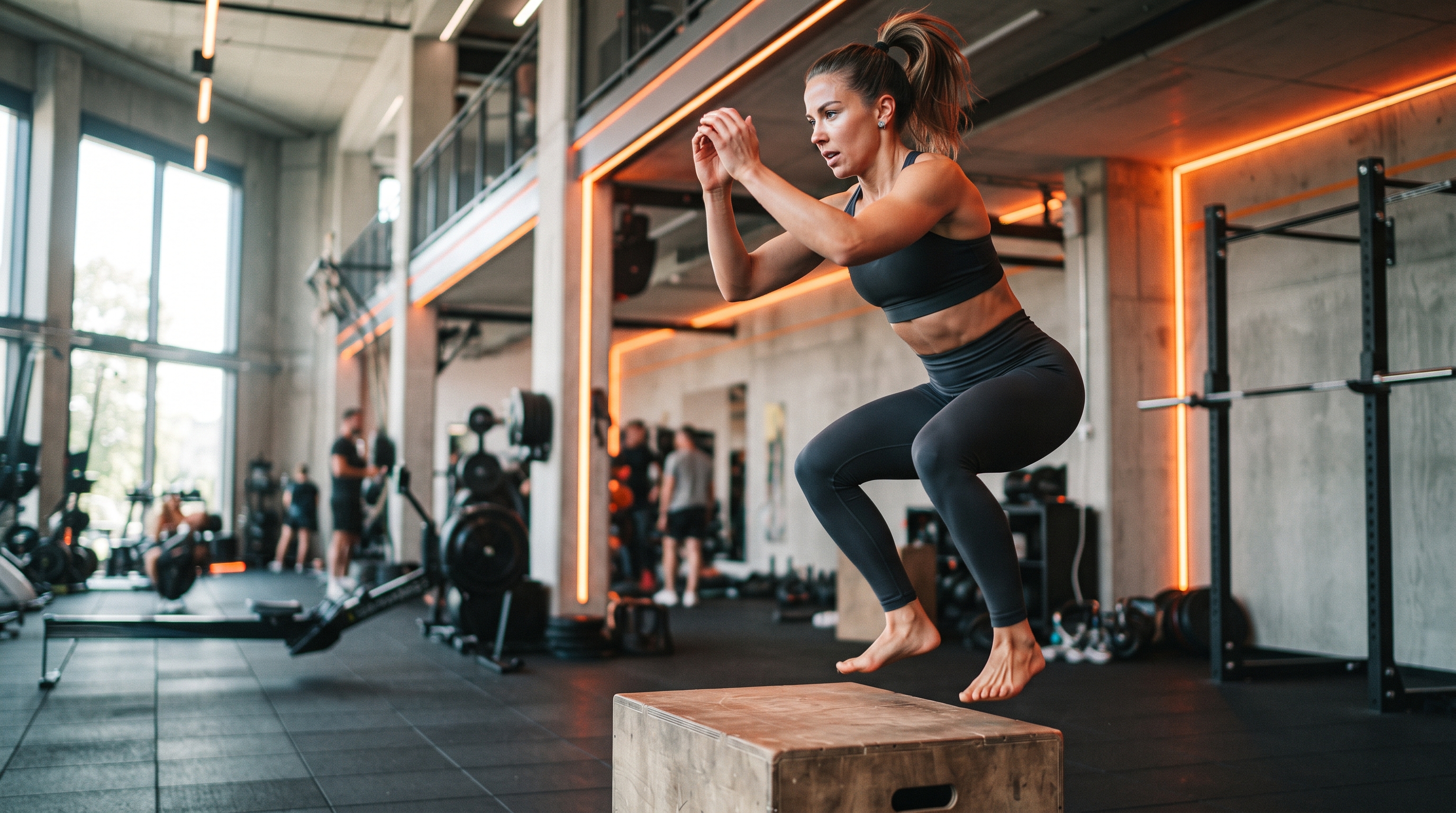
You launched a new legging with fabric that stretches and compresses just right. But in the photos, it's stretched flat on a rack, or worn by someone who doesn't have the body type that actually buys fitness wear. The fabric that was the whole selling point of the piece simply doesn't show the way it should.
Hiring a real fitness model solves it — but costs more than a standard model, requires a gym or studio with room for movement poses, and still depends on the schedule of someone who has other commitments too. For a lot of small brands, that plan never actually gets off the ground.
And the problem isn't just visual. A brand selling fitness wear without showing it on a real-looking body loses to the competitor who does — because the buying decision in this niche depends almost entirely on seeing the fabric in action, not on reading the spec sheet.
And that competitor isn't hypothetical. A fitness brand that invests in showing real fit tends to sell faster, because the decision in this niche is almost always visual before it's rational — the customer decides by looking, not by reading the fabric composition on a tag.
Why an average body doesn't sell fitness wear
Fitness wear sells performance: compression, stretch, fit during movement. That only proves out visually on a body that looks trained — because that's the audience buying this kind of piece, and that's the fantasy the purchase activates.
A photo on a generic body, or on a rack, makes the piece look like loungewear, not training gear. A customer looking for high-compression leggings isn't convinced by stretched fabric with nobody inside it.
It also affects size decisions: a customer who sees the fabric compressing a real-looking body understands better how the piece will behave on hers, which reduces uncertainty between S, M or L — and cuts exchanges after the sale.
The problem with hiring a real fitness model
- Professional fitness models charge more than standard models — it's a specialized niche.
- You need a space with good lighting and room for movement poses, not just a plain backdrop.
- Scheduling depends on personal trainers and athletes who have other commitments too.
- Every new color or piece in the collection means rescheduling everything again.
- Repeating the shoot for every new line means multiplying that same high cost with every launch.
Nobody buys leggings by looking at stretched fabric on a rack. They buy by seeing what that fabric does on a body in motion.
How AI shows fit, stretch and movement without a shoot
The Fitness PRO tool dresses your piece on photorealistic athletic-body models, showing exactly what the fabric does under compression and movement — no fitness model to hire, no gym to rent, no one's schedule to wait on.
You upload the product photo and choose the body profile that represents who actually buys this piece, testing as many variations as you want before deciding which campaign to publish.
How it works, step by step
- You upload the product photo — the legging, the top, the set — alone or on a rack.
- You choose the athletic body profile that represents your brand's buyers.
- The tool dresses the piece on the model, showing real compression and stretch.
- You test as many variations as you want before deciding which campaign to publish.
What this changes for your fitness brand
The same logic that already cuts visual production costs by up to 90% in fashion overall matters even more in fitness, where hiring the right kind of model was already the most expensive part of the shoot. You launch a new campaign with every piece, without depending on a trainer's, studio's or gym's schedule.
And what used to be a budget decision — “is it worth paying a fitness model for this new color?” — stops existing. Every color, every fabric, every collection gets the same visual proof that convinces.
It also changes the pace of launching. A fitness brand dropping new pieces every week or two can finally keep up with a campaign to match — without holding back the collection waiting for a model's or photographer's schedule to open up.