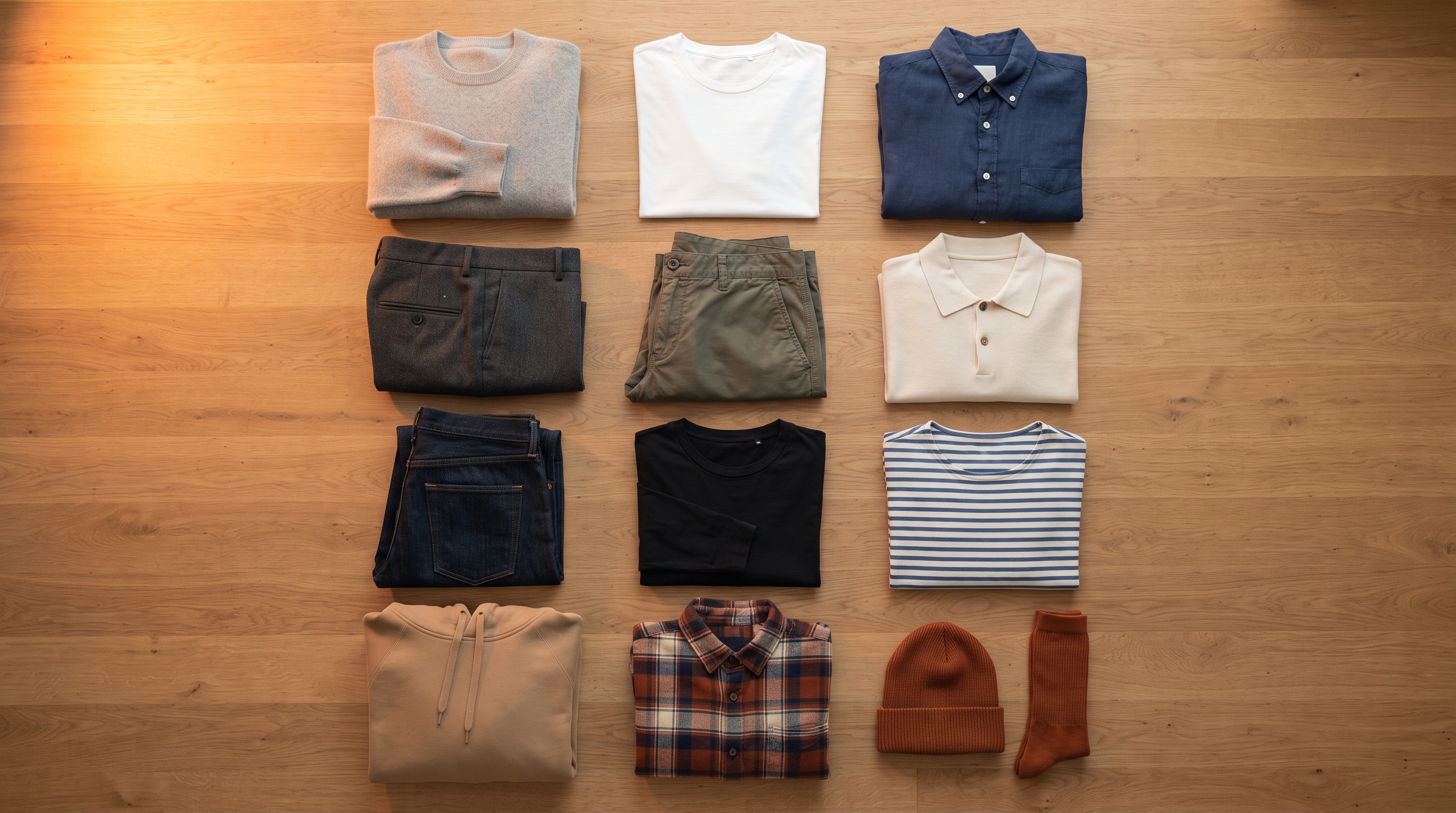
You buy 30 pieces at the wholesale market on Monday morning. By Tuesday, your competitor on Instagram has already sold her entire batch — bought at the same place, at the same price — because her catalog looks like it came from a mall store, and yours looks like laundry on a clothesline.
It's not about the piece. It's about the photo. And a reseller who still depends on a photographer — or on a photo snapped between one customer and the next — is losing sales every day to whoever already solved this with AI.
Why the catalog is the real product in reselling
In the resale model, you're not competing on price — everyone buys from the same wholesaler. You compete on presentation. And presentation today gets decided in seconds of Instagram scrolling: 97% of fashion entrepreneurs use the platform organically, the highest adoption of any e-commerce sector in Brazil.
That means your real competitor isn't the big retailer — it's the reseller down the street who figured out how to make catalog photos without a photographer, without a hired model, and without spending the sale's profit on production.
The photographer was never the real bottleneck
Hiring a photographer for every new batch never made financial sense for reselling: inventory turns fast, stock changes weekly, and the margin per piece is already thin. That's why most resellers historically got stuck with their own phone photos — the professional alternative never fit the math.
AI changed that equation. Today you can photograph a piece once and generate the entire catalog — with model, scenery and composition — without repeating that cost for every batch. Sellers who adopted AI photography report on average 340% faster launch speed and a 45% reduction in visual content production costs in the first year.
From wholesale purchase to sale in a few hours
In practice, this means photographing the piece once and, in under 15 seconds, having the final image with model and scenery ready to publish. It's not manual editing — it's automatic generation that already respects the fabric, fit and proportion of the real piece.
There's already coverage of a small entrepreneur using AI (Gemini, in one case) to turn a bed photo of a garment into an image with a fictional model, with no studio budget. It's basically the same logic a reseller can apply at scale, wholesale batch after batch.
- Photograph the piece on a neutral surface, with good natural light — no model or studio needed.
- Generate the photo with a virtual model using an AI tool built for fashion.
- Standardize scenery and framing across pieces so it looks like a collection, not a flea market.
- Publish the same day you buy at wholesale — before your competitor does.
- Reuse the same photo in different formats for Instagram, WhatsApp and a PDF catalog.
Your competitor doesn't have a better photographer than you. She just stopped waiting for one.
The side effect: you also compete on trust
A professional-looking catalog doesn't just sell more — it sells with fewer objections. A customer who saw a crooked bed photo used to ask "is the piece actually good?" A customer who sees a catalog photo already assumes it is. You stop justifying the piece and start just selling it.
Your next batch can already look different
You don't need to learn photography, or hire anyone new. You need a tool that turns a simple product photo into catalog imagery — fast enough to keep up with the buy-and-sell pace of reselling.
There's a gain that never shows up on a spreadsheet: selling without having to convince. When the catalog already looks like an established brand's, the customer buys on the image — and you stop wasting time answering "is the piece actually good?" in every DM.