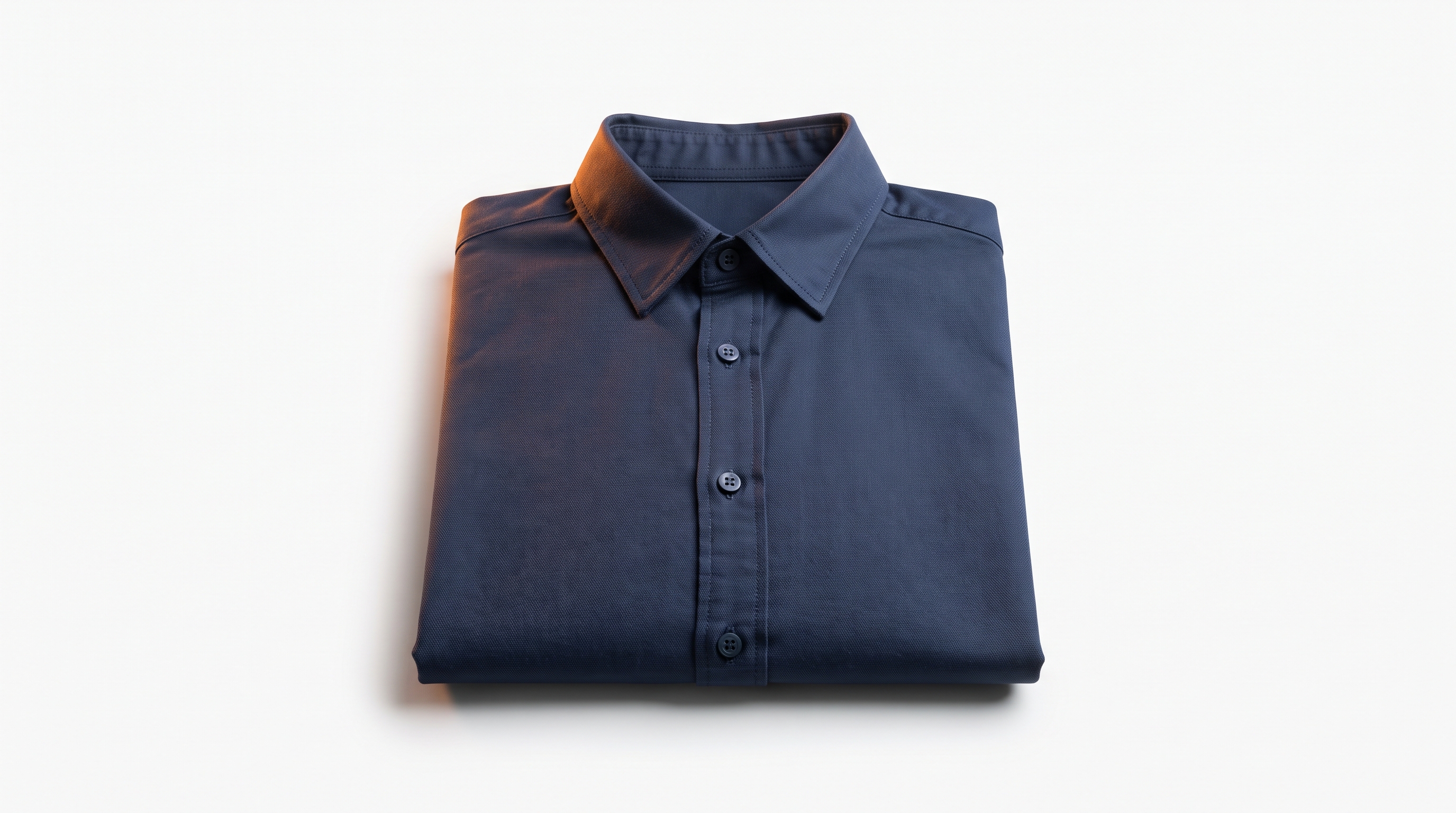
The order comes back with the most frustrating reason of all: “this isn't what I expected.” The item is the same, the quality is the same — the photo that sold it just didn't show the real fit. You refund, you eat the shipping, you lose the sale, and the item goes back into inventory, a little more worn than before.
On a marketplace, that cycle repeats at scale. Every return over broken expectations costs shipping both ways, a refund, and a slot of inventory sitting idle — and the cause is almost never the product. It's the photo that promised something the photo never actually showed.
And the cost doesn't stop at the refund. Every return means back-and-forth messages with the customer, a bad review when expectations break, and support time spent solving a problem the right photo could have prevented in the first place.
Why a white background and good lighting aren't enough anymore
Marketplaces require standard product photos: white background, good light, correct angles. That covers the bare minimum — it shows the product exists and is in good shape. But it doesn't answer the one question that drives most returns: “how will this actually look on me, on my body?”
A product photo alone doesn't answer fit, length, stretch. That exact gap is what pushes a customer toward the “return” button once the item arrives.
Multiply that by dozens of orders a week, and what looked like a one-off problem becomes routine: sorting the returned item, checking whether it's still resellable, repackaging it, and hoping the next sale of that same piece doesn't come back the same way.
What changes when the customer sees the piece on a model before buying
- They understand fit and proportion before checkout, not after delivery.
- They reduce size uncertainty — the number one reason for fashion returns.
- They picture the piece on themselves, which increases purchase intent.
- They compare color and fit variations without having to imagine it.
- They trust the store more, because the presentation looks professional, not amateur.
- They decide faster — which cuts cart abandonment, on top of returns.
Every return avoided isn't just a sale saved. It's shipping, a refund and stalled inventory that never happen.
The numbers behind AI virtual try-on
AI virtual try-on is already an $8.5 billion market, and it's not hype: stores using a high-quality AI model report conversion up to 35% higher. On the returns side, the same thing — showing the piece realistically, on a real-looking body, before the purchase — already cuts returns by 15% to 35% for those adopting quality try-on.
For marketplace sellers, where margins are already thin from platform fees, every avoided return is margin back in your pocket.
Multiply that by the volume a marketplace demands to stay competitive, and the math is clear: cutting returns by 15% to 35% isn't an operational detail, it's the difference between closing the month at a profit or breaking even after shipping, refunds and platform fees.
How to prepare your product photo for marketplace with AI
EstúdioLooks' E-Commerce tool starts from the product photo you already take for your catalog and generates a marketplace-standard white-background version plus a version with a model wearing the piece, showing real fit. Both in minutes, no photoshoot, no hired model, no waiting on studio availability.
You upload one photo and walk away with what the marketplace requires and what the customer needs to decide with confidence — at the same time.
How it works, step by step
- You upload the product photo you'd normally take to list the piece.
- The tool generates the marketplace-standard white-background version.
- It also generates a version with a real-looking model wearing the piece, showing fit.
- You use both in the same listing: one meets the platform's rule, the other clears the customer's doubt before they buy.
At the end of the day, the buying decision in online fashion has always been visual. A tool that fixes this at the root — at the photo, before the sale — prevents the problem before it ever becomes a return statistic, instead of trying to patch it afterward with support tickets or a looser return policy that eats even more margin.